
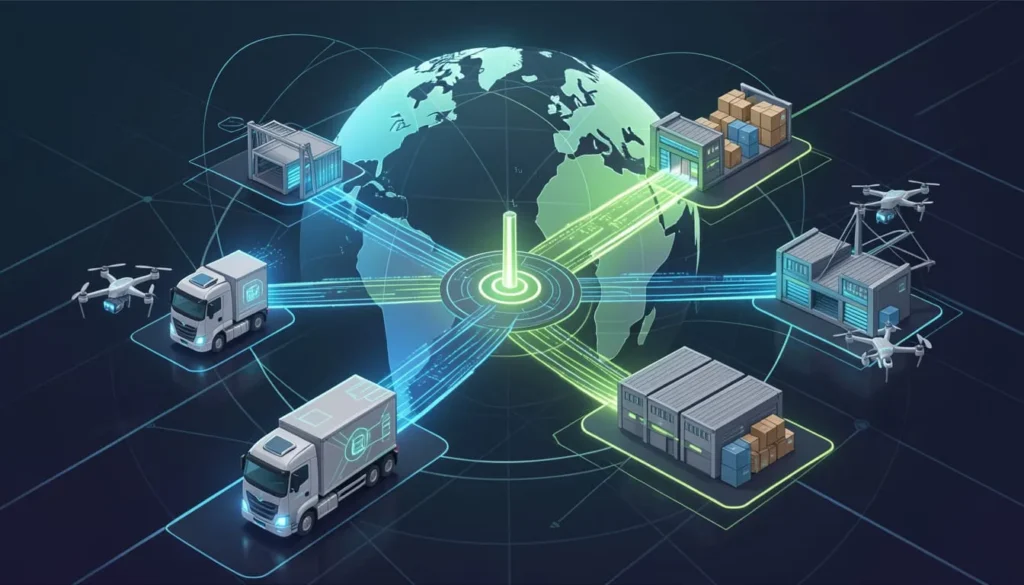
In today’s fast‑moving global economy, supply chains are no longer just about moving goods from one place to another. They have become complex, technology‑driven ecosystems that determine how efficiently businesses operate and how well they serve customers. Supply chain innovation in the digital era is transforming traditional models by introducing greater visibility, agility, and resilience. This shift is not only helping organizations reduce costs but also enabling them to respond faster to market changes and disruptions.
“In a digital world, the strongest supply chains are not the biggest, but the smartest.” This idea reflects how innovation today is less about scale and more about using data, technology, and insight to make better decisions across the entire value chain.
Digital technologies such as artificial intelligence, the Internet of Things (IoT), blockchain, and advanced analytics are at the core of modern supply chain innovation. Real‑time tracking systems allow companies to monitor shipments, inventory levels, and equipment performance with greater accuracy. Predictive analytics helps organizations forecast demand more effectively, reducing excess inventory and minimizing stock‑outs. Together, these tools create a data‑driven supply chain that is proactive rather than reactive.


However, digital transformation in supply chains is not without challenges. Many organizations struggle with integrating new technologies into legacy systems, managing data quality, and upskilling their workforce. Cybersecurity and data privacy are also growing concerns as supply chains become more connected. Addressing these issues requires a clear digital strategy, strong leadership, and collaboration across suppliers, partners, and technology providers.
The Future of Supply Chains in a Digital World
As digital technologies continue to evolve, supply chain innovation will remain a critical driver of business success. Companies that embrace digital tools, invest in data capabilities, and build flexible, resilient networks will be better prepared for future disruptions. The digital era offers an opportunity to rethink how supply chains operate, shifting from traditional, linear models to intelligent, connected systems that create long‑term value for businesses and customers alike.